Why Schools Need Digital Attendance Systems in 2026
Discover how digital attendance systems help schools improve efficiency, parent communication, student safety, and data-driven decision-making.
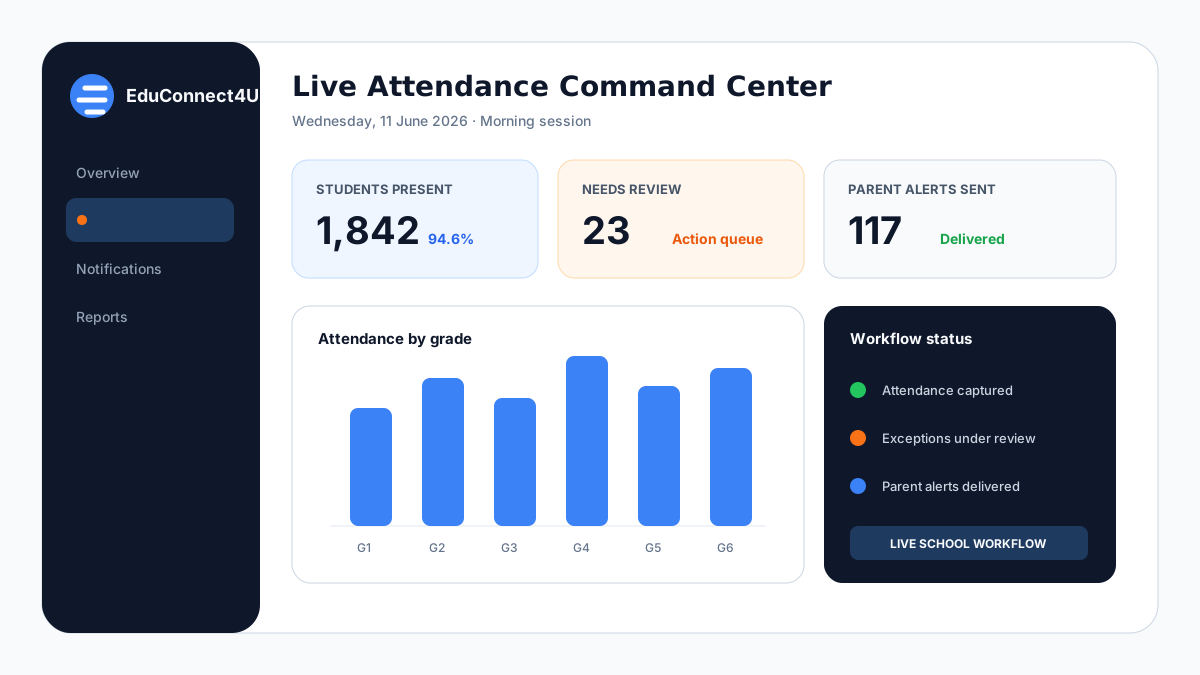
Key takeaways
What to remember
- Save instructional time & reduce administrative workload.
- Improve attendance accuracy and reduce human error.
- Enhance safety with timely notifications.
- Strengthen communication and stakeholder engagement.
- Support compliance reporting and actionable analytics.
01
Introduction
Walk into a typical Indian school at 8:30 in the morning and you will often find the familiar rustle of paper registers, hurried roll calls, and teachers balancing administration before lessons begin.
As schools adopt connected administration and data-informed decision-making, leaders are increasingly replacing manual attendance registers with digital workflows.
In 2026, digital attendance systems are becoming an important part of efficient school administration and student safety.
The value extends beyond recording presence. Schools gain timely insights, clearer parent communication, stronger accountability, and more dependable reporting.
02
Current Challenges with Manual Attendance
Staff often spend several minutes every period recording attendance manually. Across a year, this time accumulates and could otherwise be devoted to mentoring, and engagement.
Manual registers can be susceptible to incorrect entries, missing records, calculation mistakes, and misplaced documentation. Inaccuracies may create administrative issues when generating compliance reports or validating historical attendance records.
Furthermore, attendance records frequently exist separately from performance records, fee management systems, and other metrics. This fragmentation can prevent administrators from obtaining a comprehensive picture of engagement.
In traditional paper systems, stakeholders may only learn about attendance concerns during formal meetings or report distributions, which limits opportunities for proactive early intervention.
Administrators also spend manual time compiling attendance reports for regulatory and institutional audits, inflating administrative overhead.
03
What Is a Digital Attendance System?
A digital attendance system is a comprehensive, technology-driven solution that records, stores, manages, and analyzes attendance data electronically. Depending on institutional size and infrastructure capabilities, attendance can be captured via:
- 1RFID cards and Smart Identity Badges
- 2Biometric authentication systems (fingerprint scanners)
- 3Advanced facial recognition cameras
- 4Dedicated Mobile Staff Applications
- 5Dynamic QR codes and room-based checkpoints
- 6GPS-enabled tracking solutions for transportation systems
04
Key Benefits for Schools
School leaders gain immediate access to attendance data across classes, grades, and campuses, enabling prompt responses to student-safety concerns.
Statutory attendance reports can be configured to generate automatically, saving administrative hours while supporting information accuracy.
Advanced analytics assist in identifying underlying behavioral patterns that may correlate absenteeism with performance or drop-out risks.
Parents and guardians benefit when schools use technology to support campus safety, timely outreach, and operational transparency.
05
Benefits for Teachers, Administrators, and Parents
For Staff: Automated check-ins can streamline morning roll-calls. Automated triggers highlight individuals requiring pastoral support. Complete data histories enrich formal meetings.
For Administrators: Monitor attendance across the school from a single dashboard. Secure digital histories provide timestamped documentation and can connect with the wider school ERP.
For Parents and Guardians: Timely notifications can flag unexpected absence. Families can review attendance history and submit leave requests through connected portals.
06
The Link: Attendance Data & Success
Research often demonstrates a relationship between consistent attendance and achievement. When attendance insights are contextually cross-referenced alongside performance metrics, administrative boards can identify potential attendance-related gaps and execute targeted remediation.
07
Common Core Features of Modern Platforms
Modern platforms typically include multi-modal verification mechanisms, automated multi-channel alert systems, real-time administrative dashboards, cloud-native backends with offline synchronization, and data encryption parameters to help keep sensitive metrics secure.
08
The Future of Smart Schools in India
As schools throughout India undergo digital transformation, attendance automation provides a practical starting point. Moving away from manual registers supports safer, clearer, and more responsive school operations.
09
Conclusion: Start with a Connected Attendance Workflow
A successful attendance rollout begins with the school's real workflow: how teachers record attendance, how corrections are approved, when parents are notified, and which reports leaders need.
EduConnect4U helps schools map these requirements and connect attendance with the wider operational system. Start with a focused consultation to define the right implementation path for your school.
- 1Map the current attendance process
- 2Define parent-notification rules
- 3Confirm reporting and approval needs
- 4Plan a focused rollout
Common questions
Frequently Asked Questions
Is a digital attendance system suitable for small schools?
Yes. A focused rollout can begin with core attendance capture, notifications, and reports, then expand as the school requires.
What happens if campus internet connectivity is interrupted?
Premium systems often feature smart local caching. Devices continue recording data offline and auto-sync records to the central cloud servers once networks stabilize.
Is attendance data securely protected?
Reputable platforms deploy industry-standard database encryption protocols, secure tokenized logins, and strict role-based access permissions to support data privacy compliance.
How much training do staff members require?
Modern portals are built with simplicity in mind. Most staff can achieve operational proficiency with minimal onboarding time.
Related service
Institution Management Software
Connect attendance, admissions, fees, communication, workforce activity, and administration in one operational workspace.
Continue reading
Related practical guides
How Institutions Can Automate Attendance Management
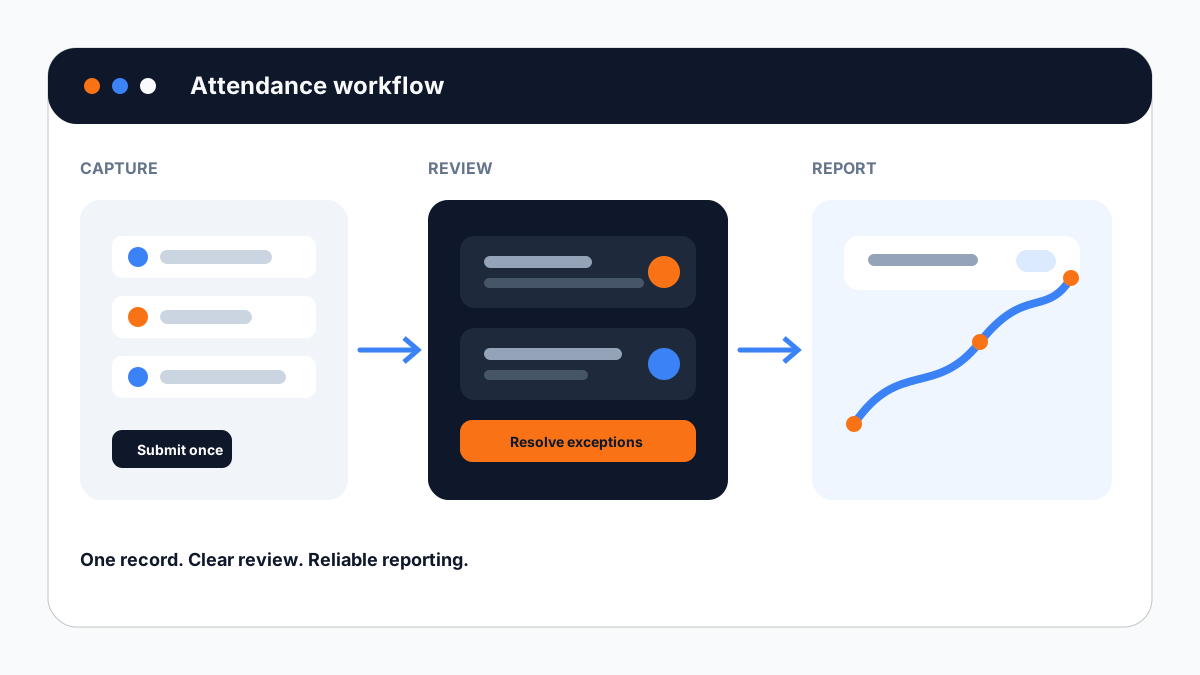
A practical guide to replacing repeated attendance entry with a connected review and reporting workflow.
Read practical guide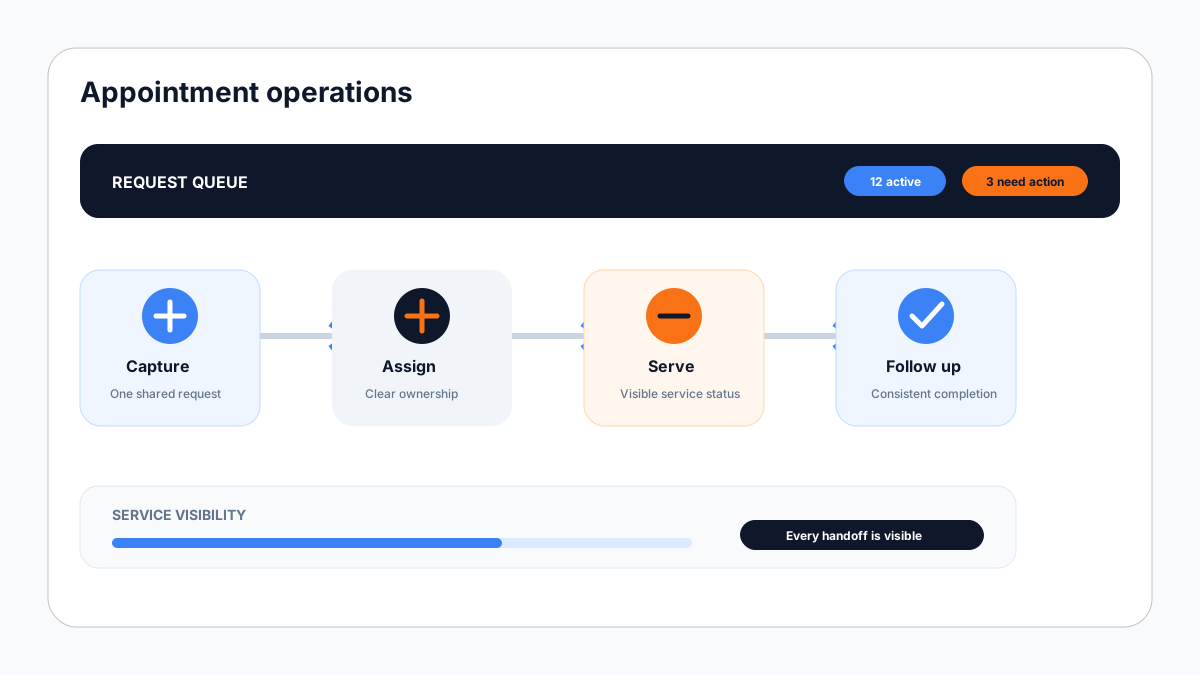
Common Workflow Problems in Appointment-Based Organizations
Understand where appointment workflows lose time and how structured automation improves coordination.
Read practical guide