How Institutions Can Automate Attendance Management
A practical guide to replacing repeated attendance entry with a connected review and reporting workflow.
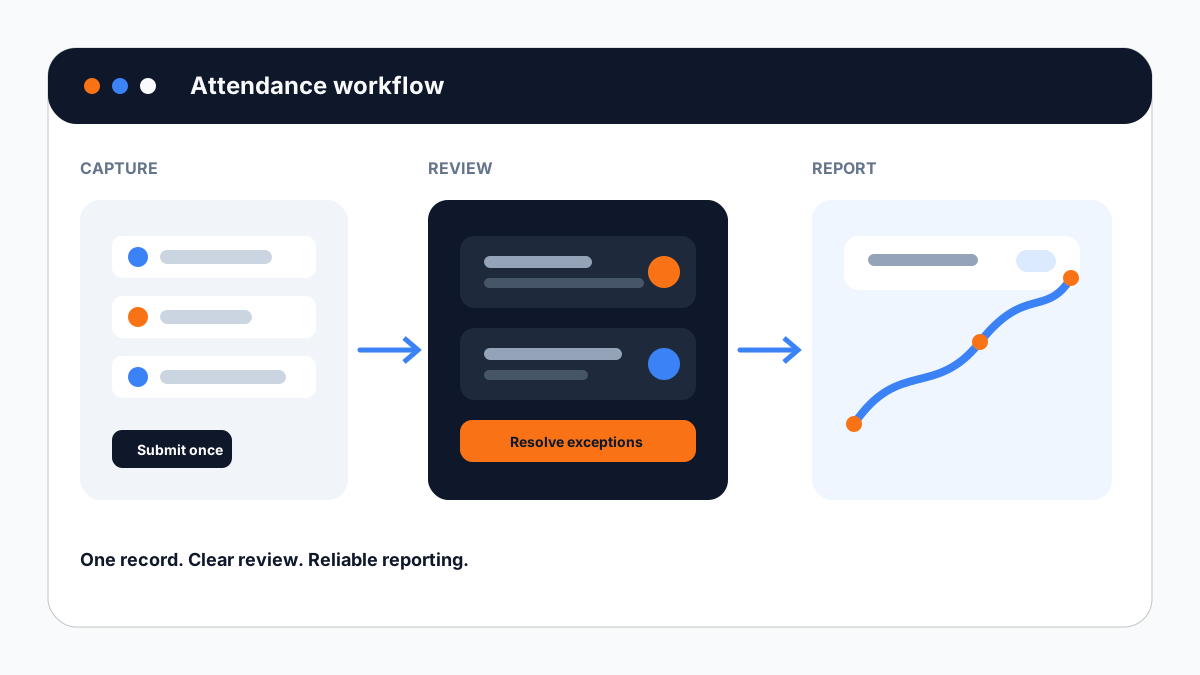
Key takeaways
What to remember
- Map the full attendance process before choosing software.
- Create one reliable record for capture, review, correction, and reporting.
- Automate exception handling while keeping responsible teams in control.
01
Understand the operational problem
Attendance becomes difficult to manage when capture, corrections, approvals, and summaries happen in separate files or communication channels.
The issue is rarely the initial record alone. Most friction appears later, when teams need to resolve exceptions, confirm accuracy, or prepare reliable reports.
Implementation checklist
- Repeated entry across multiple records
- Corrections handled through messages
- Delayed summaries
- Unclear ownership for exceptions
02
Design one connected workflow
A connected workflow gives every responsible team a shared view of the same record while preserving clear review and correction responsibilities.
The workflow should make routine activity simple and direct attention only to records that need action.
- 1Capture the record once
- 2Flag missing or unusual entries
- 3Route exceptions to the correct owner
- 4Publish approved summaries
03
Automate without losing control
Automation should reduce repeated follow-up, not remove accountability. Rules can notify owners, prepare summaries, and highlight exceptions while approval remains with the appropriate team.
Start with a focused process, measure where time is saved, and expand only after the operating team is comfortable with the new workflow.
Implementation checklist
- Define approval responsibilities
- Set exception rules
- Agree on reporting needs
- Review adoption after rollout
04
Practical next steps
Begin with a short workflow audit. Document who captures information, who reviews it, where corrections happen, and which summaries decision-makers need.
- 1Map the current process
- 2Identify repeated work
- 3Define the first automated workflow
- 4Test with a focused operating group
Related service
Institution Management Software
Connect attendance, admissions, fees, communication, workforce activity, and administration in one operational workspace.
Continue reading
Related practical guides
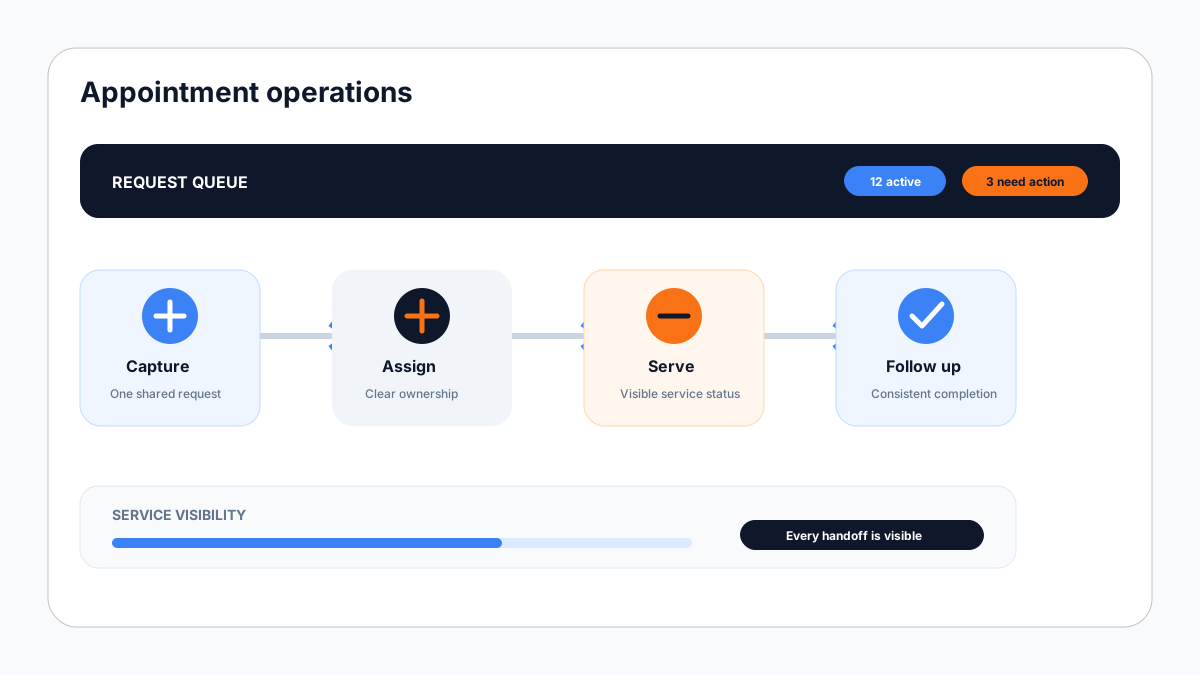
Common Workflow Problems in Appointment-Based Organizations
Understand where appointment workflows lose time and how structured automation improves coordination.
Read practical guide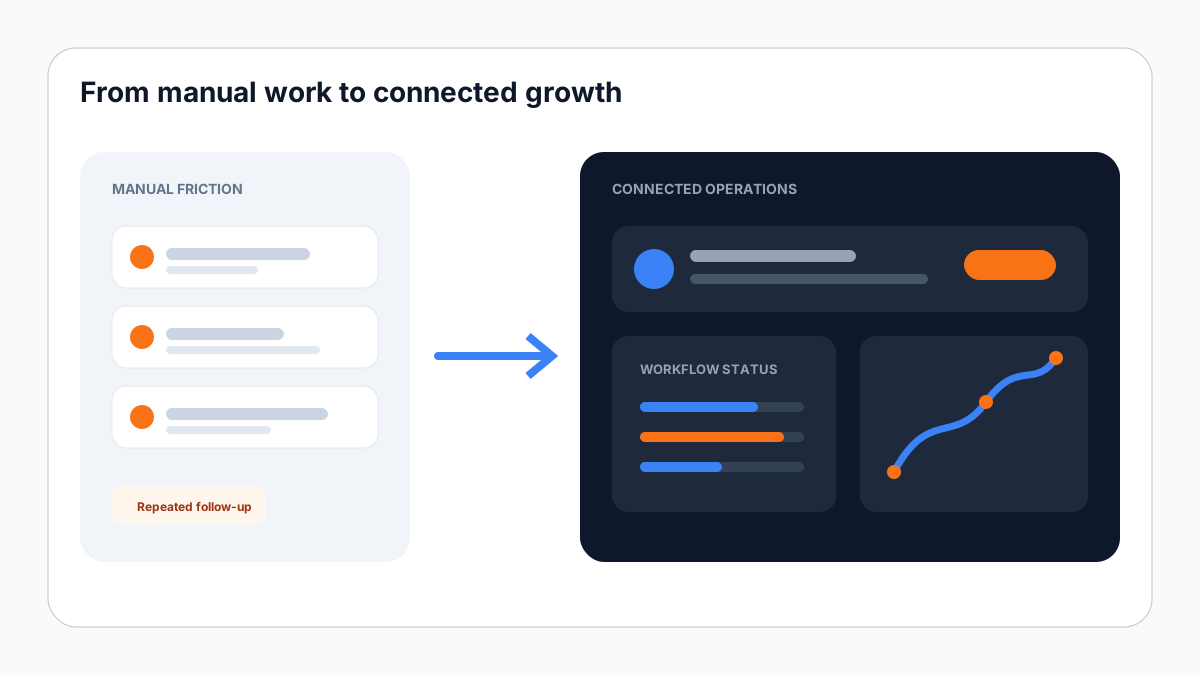
Why Growing Businesses Need Process Automation
Learn why repeatable workflows become essential as teams, customers, and operational demands grow.
Read practical guide