Common Workflow Problems in Appointment-Based Organizations
Understand where appointment workflows lose time and how structured automation improves coordination.
Key takeaways
What to remember
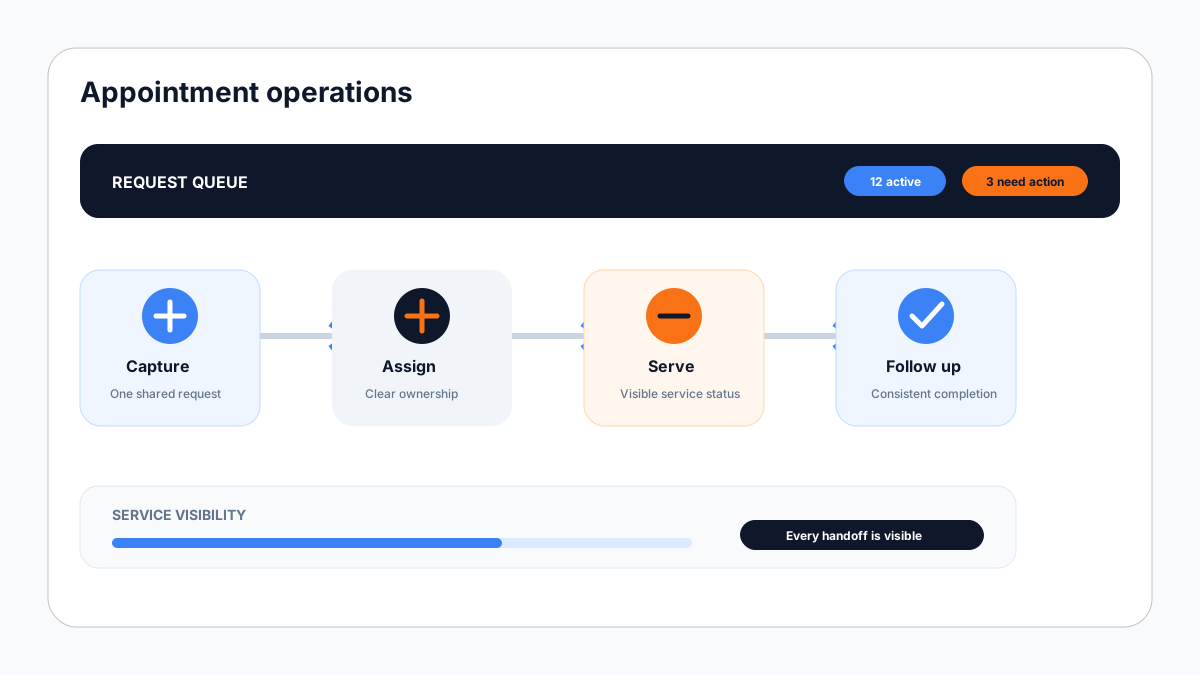
- Bring requests from separate channels into one coordinated queue.
- Make ownership and service status visible at every handoff.
- Use reminders and rules to make follow-up consistent.
01
Recognize where coordination breaks down
Appointment-based operations often receive requests through calls, messages, forms, and direct team conversations. Without one shared record, requests can be delayed or handled twice.
The most visible problem may be scheduling, but the deeper issue is usually coordination across the complete service journey.
Implementation checklist
- Requests arrive through separate channels
- Status depends on individual updates
- Handoffs are difficult to trace
- Follow-up relies on memory
02
Create a clear service journey
A structured workflow should show where every request is, who owns the next action, and what information is required before it can move forward.
Clear stages reduce unnecessary checking and help teams focus on requests that need attention.
- 1Capture each request
- 2Confirm required information
- 3Assign the responsible team
- 4Track completion and follow-up
03
Use automation for consistency
Automated reminders, status updates, and routing rules make the workflow more reliable without adding administrative effort.
Rules should support the operating team rather than create rigid barriers. Teams still need a clear way to handle unusual or urgent requests.
Implementation checklist
- Define service stages
- Set reminder timing
- Create escalation rules
- Review unresolved requests
04
Practical next steps
Choose one request type and map its complete journey from initial contact to completion. This provides a manageable first workflow for testing coordination improvements.
- 1Select one common request
- 2Map every handoff
- 3Define ownership and status
- 4Measure delays before and after rollout
Related service
Appointment and Workflow Automation
Organize appointments, records, billing steps, team coordination, and service workflows with clearer ownership.
Continue reading
Related practical guides
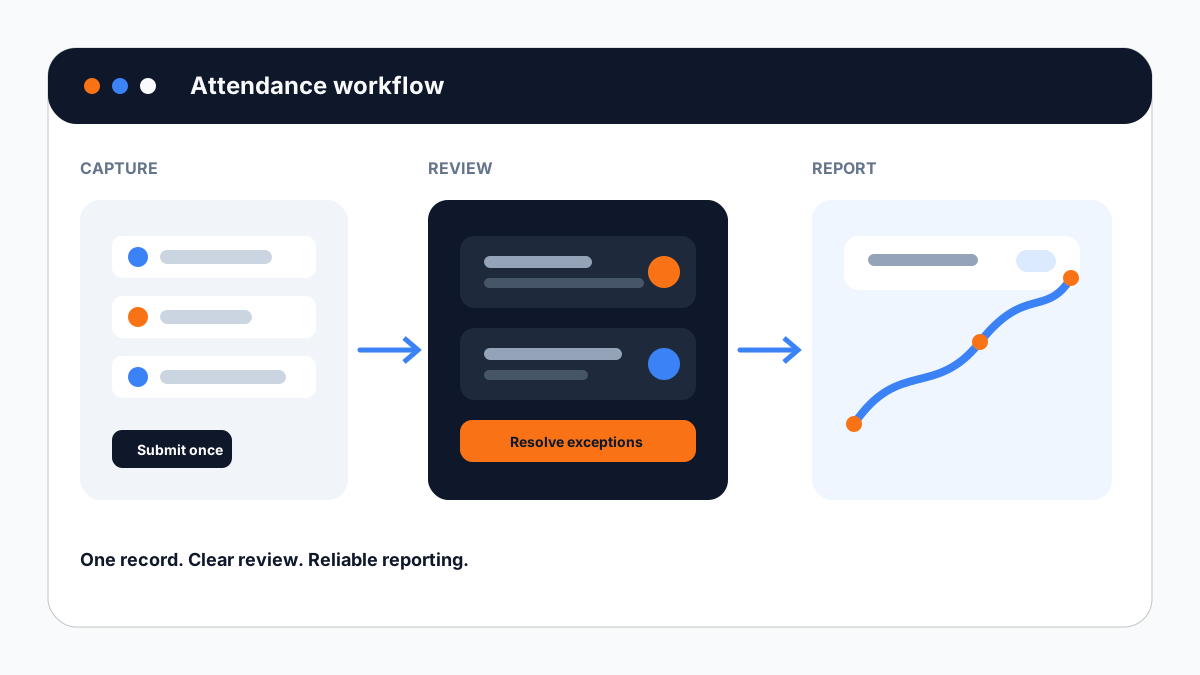
How Institutions Can Automate Attendance Management
A practical guide to replacing repeated attendance entry with a connected review and reporting workflow.
Read practical guide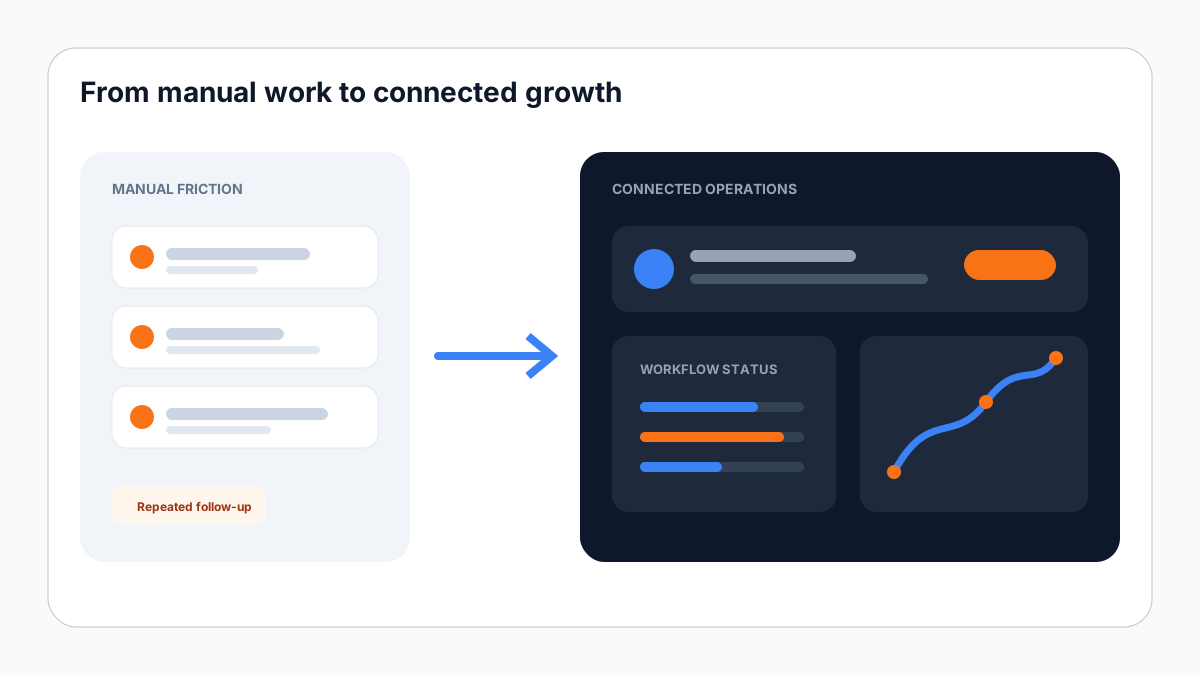
Why Growing Businesses Need Process Automation
Learn why repeatable workflows become essential as teams, customers, and operational demands grow.
Read practical guide